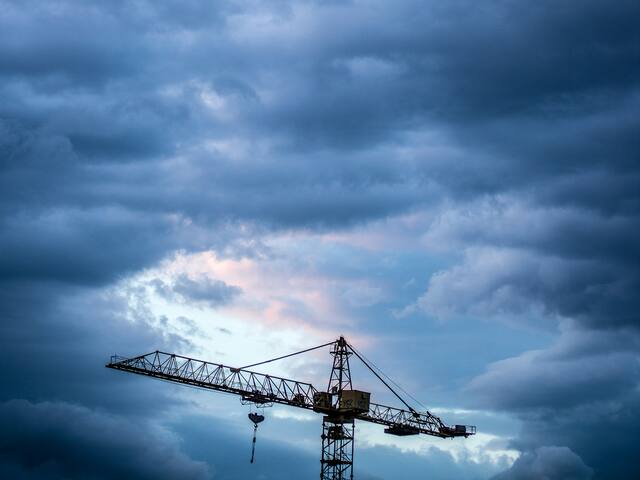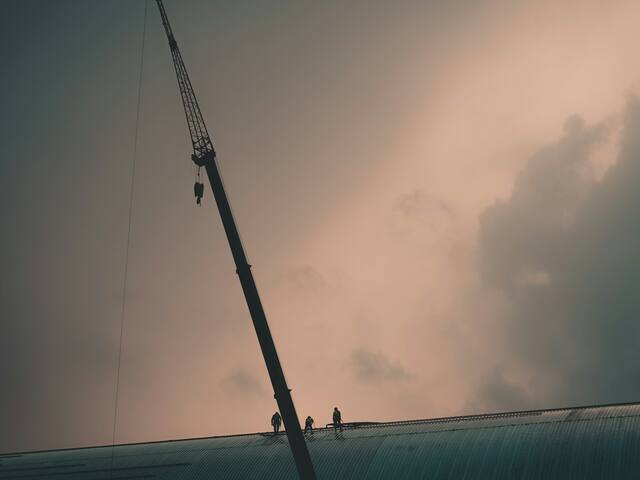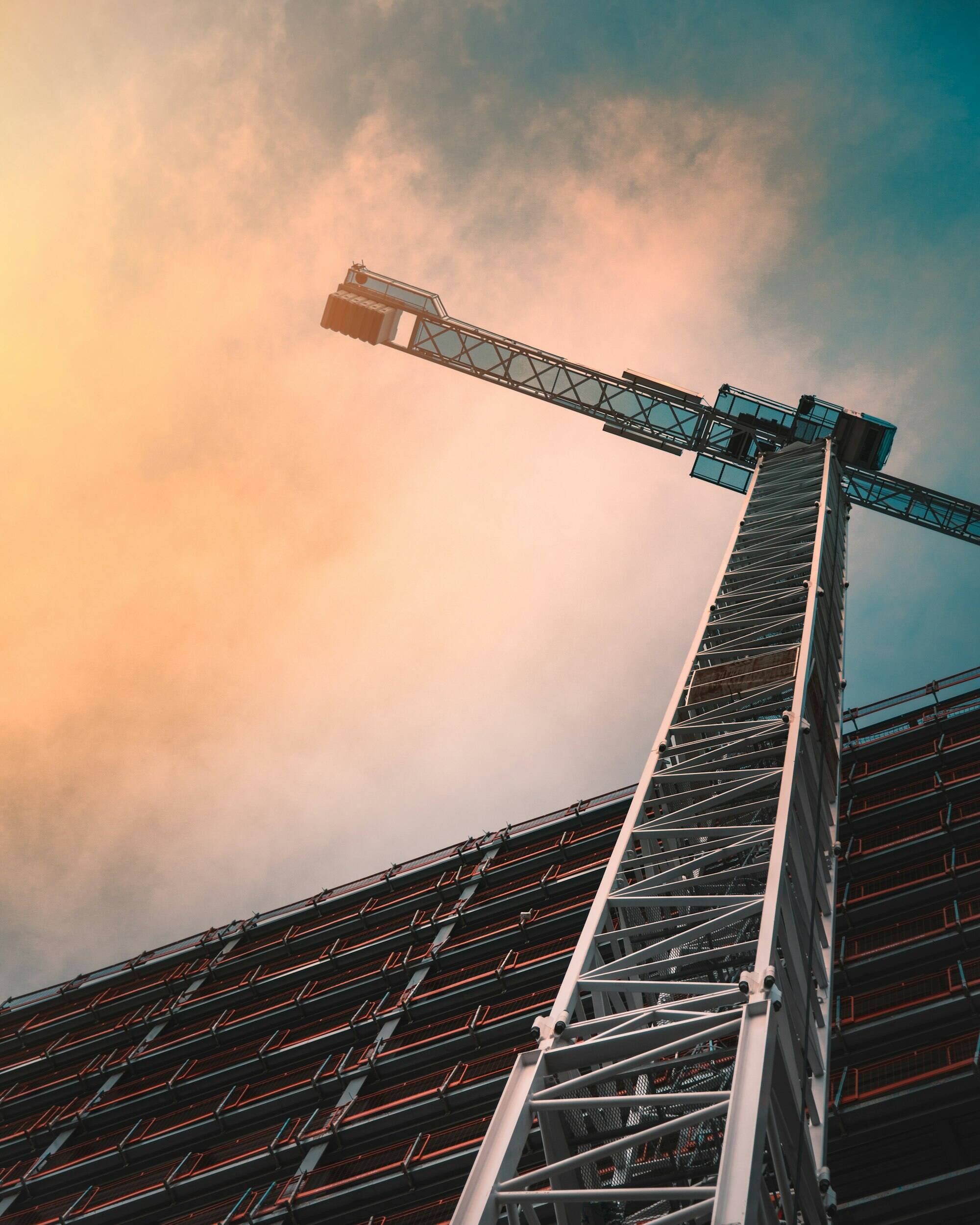
Crane pick, level 40 steel
The crane pick cannot proceed.
Gusts are 34 mph, above the 25 mph critical limit in Apex Construction's own Crane Operations rules.
- Observed
- 34mph gust
- Rule fired
- ≥ 25mph critical
- Result
- No-go
AllClear checks every job site against your company's own work rules, every 30 minutes. The crew gets the call by text. Months later, the file shows what you knew, what your rule said, and who was told.
One site of your own is free.
Crane pick, level 40 steel
The crane pick cannot proceed.
Gusts are 34 mph, above the 25 mph critical limit in Apex Construction's own Crane Operations rules.
AllClear checks every job site against your company's own work rules, every 30 minutes. The crew gets the call by text. Months later, the file shows what you knew, what your rule said, and who was told.
Every limit is set and approved by you. AllClear never invents one. Each scheduled operation gets a go, a caution or a no-go, and stale data reads as unknown, never as go.
How Weather worksA hazard, a blocker, a near miss, reported from a phone in under a minute. It can put a site on someone's list. It can never change a go or a no-go.
How Safety Log worksA line and a photograph as things happen, in your company's own fields, with a reminder when nothing has come in. Nobody rings anybody.
How Daily Log worksThe calls your rules made, what people on site reported, and what each foreman added, as it happened.
That is the reason to buy the three from one company. Nobody stitches them together afterwards, and nobody has to remember which system the answer is in.
Dana Whitfield, safety manager. Decision unchanged“Hoist lane is blocked by stacked formwork at the east gate.”
Josh Rivera, superintendent“Thunder heard.”
“Stood everyone down for lightning. Steel crew in the shed.”
Josh Rivera, superintendent“Formwork moved to laydown B. Lane is clear to the hoist.”
“Level 3 deck finished 1:15. Blankets going on.”
No detector can call the first strike. OSHA and NOAA put it in writing: lightning detection “cannot predict the first lightning strike.” The trigger is a person, hearing thunder.
So a person reports it, and Apex's own lightning rule does the rest. The site stands down at 7:13. The crew gets a text. The 30-minute clock restarts each time thunder is heard again.
A person can be the instrument. Only your rule makes the call. It takes both products to run this, and nobody who sells one half can.
The 30 minutes after the last thunder is National Weather Service guidance, adopted here as Apex's policy.
Manhattan Tower Crane: STAND DOWN. Thunder heard on site at 7:12. All outdoor work stops under Apex's lightning rule. Return no earlier than 7:42. The clock restarts if thunder is heard again. Reply OK. Live status: allclearhq.com/s/mtc
OK
Thunder heard again at 7:41. Return no earlier than 8:11.
Stand-down over. 30 minutes since the last thunder. The crane pick stays off: gusts 31 mph, limit 25.
An owner, a general contractor, a lawyer. A weather-delay claim has to show three things: the weather was abnormal for the month, it hit a scheduled activity, and it cost at least half the working day.
AllClear produces the file those three tests ask for. Nobody prepares it. It is the month's daily logs, added up.
AIA A201-2017 §15.1.6.2. UFGS 01 32 17.00 20, the federal scheduling specification, defines a lost work day as one where the contractor cannot work at least 50 percent of the day on the impacted activity.
See what is in the file| Date | Activity | Cause, as recorded |
|---|---|---|
| Sat 19 Sep | A-2140 Crane pick, level 40 steel | Lightning stand-down 7:13 to 8:11. Gusts at or above 25 mph from 7:30 to 3:30 PM |
Hours lost come from that day's log, confirmed by Josh Rivera at 4:10 PM. A no-go alone never counts as a lost day.
Bring one site and the rules you already work to. In twenty minutes you will see its call, the text your crew would get, and the record it leaves behind.
Book a walkthrough