AllClear
AllClear Safety Log

What someone on site saw, owned until it is closed.

A short list of open items that bear on whether work can go ahead: a hazard, a blocker, a site condition, a near miss. Each has a named owner until somebody closes it, and the office sees every one in that day's log without anyone retyping it.

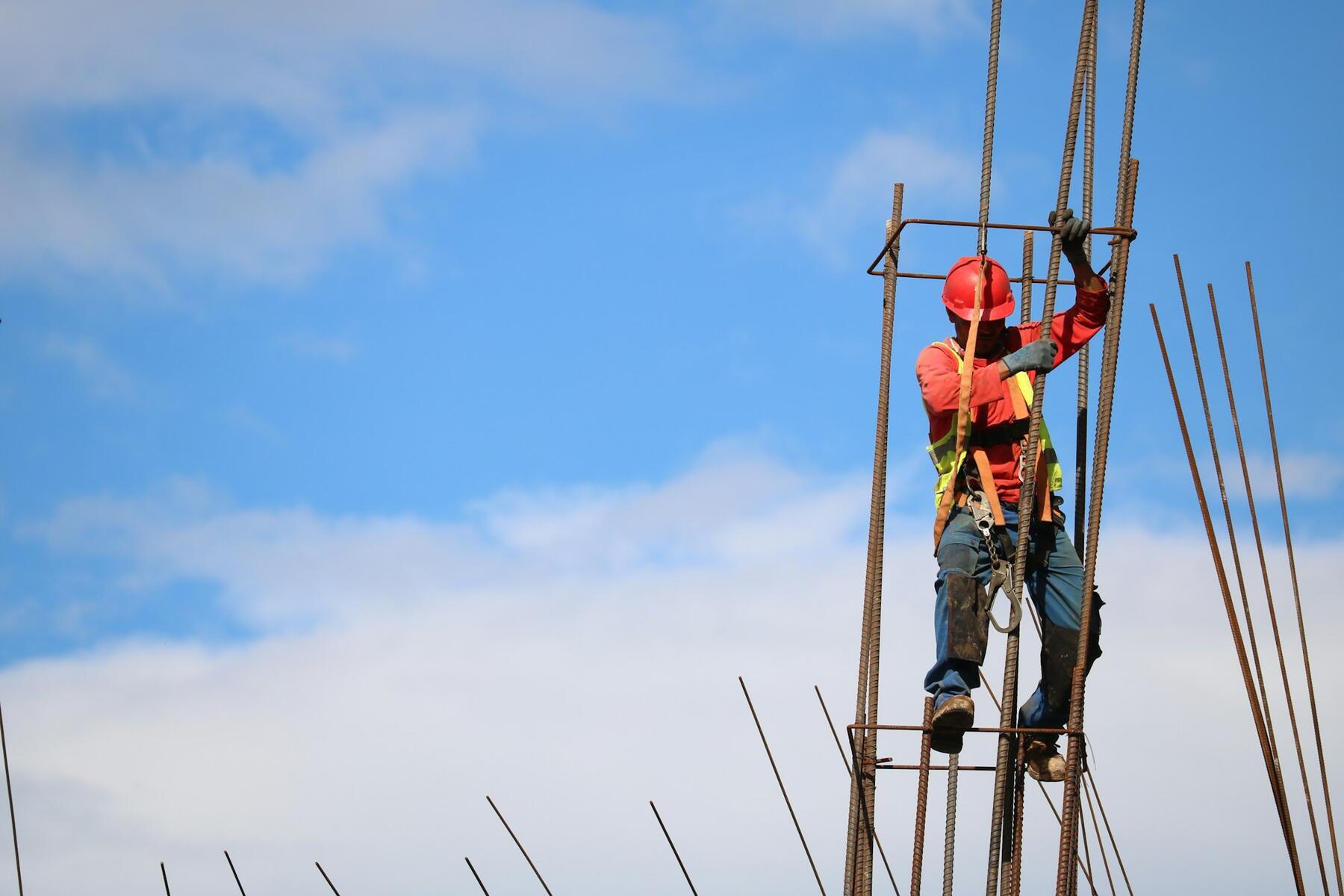
A worker in a red hard hat climbing a rebar cage against a blue sky.
Navy Pier RenovationReported 6:40 AM
HazardRespond immediatelyOpen

“Perimeter netting torn on the east face at level 12. Two panels have come away at the top ties.”

Josh Rivera, superintendent, 6:40 AM
ResponseOwned by Dana Whitfield from 6:48 AM

“Isolate the east face below level 12 until the ties are replaced. Netting crew called for this morning.”
Dana Whitfield, safety manager, 6:52 AM

Reported in under a minute, standing in front of it.

One screen. Four types, three response times, one sentence, a photo. Big targets for gloved hands, and nothing to type but the sentence.

That is the whole vocabulary, on purpose. A closed list is what keeps an entry from March comparable with one from September, and it is why nobody needs training to use it.

Reporting is never metered. No per-report charge, no seats.

Report a conditionNavy Pier Renovation

What did you see

HazardCould hurt someone
BlockerWork cannot proceed
Site conditionWorth recording
Near missIt nearly went wrong

How fast does someone need to respond

ImmediateNow
TodayThis shift
RoutineIn course
Perimeter netting torn on the east face at level 12.
Send report

A report can put a site on someone's list. It can never change the call.

At Navy Pier the rules say go: gusts are 11 against a warning limit of 18. A person says the netting is torn. Both are true, and AllClear shows both without letting one dress up as the other.

Response time is a rank, not a verdict: immediate, today, routine. Nobody can stop work by choosing a word on a phone. Only a rule your company approved can say no-go, so a reported condition is never red.

See reports and calls on one record
Navy Pier RenovationSat 19 Sep, 7:30 AM CDT
MeasuredConditions against Apex's rules
Ready to startGO

Crane Operations

The scheduled work can proceed.

Gusts are 11 mph, below the 18 mph warning limit. Measured by AllClear at 7:30 AM, on the 30-minute check.

Reported1 open. Nobody has closed it
HazardRespond immediatelyOpen, with Dana Whitfield

“Perimeter netting torn on the east face at level 12. Two panels have come away at the top ties.”

Josh Rivera, superintendent, 6:40 AM
A reported condition never changes the go, caution or no-go decision. Only Apex's rules do.

One question sorts everything a person reports.

Does it answer a question one of your rules already asks?

Yes. Then it is a reading.

It goes to AllClear Weather

  • Thunder heard. A gust off the site anemometer. Concrete temperature at discharge.
  • It feeds your rule exactly as a sensor value would, and it can change the decision, because the rule was written and approved before anyone picked up a phone.
  • It is kept with the person's name where the instrument's name would be.

No. Then it is a condition.

It goes to AllClear Safety Log

  • Torn netting. A near miss. A blocked hoist lane.
  • No rule asks about it, so it can never change the decision. It creates a job for a named person instead.
  • It is quoted, never plotted, and it stays open until somebody closes it.
A tower crane from below at sunrise.

See tomorrow morning on one of your own sites.

Bring one site and the rules you already work to. In twenty minutes you will see its call, the text your crew would get, and the record it leaves behind.

Book a walkthrough